Report on the activity funded by AIEGL “Survival Manual for Epigraphers”
Basic information
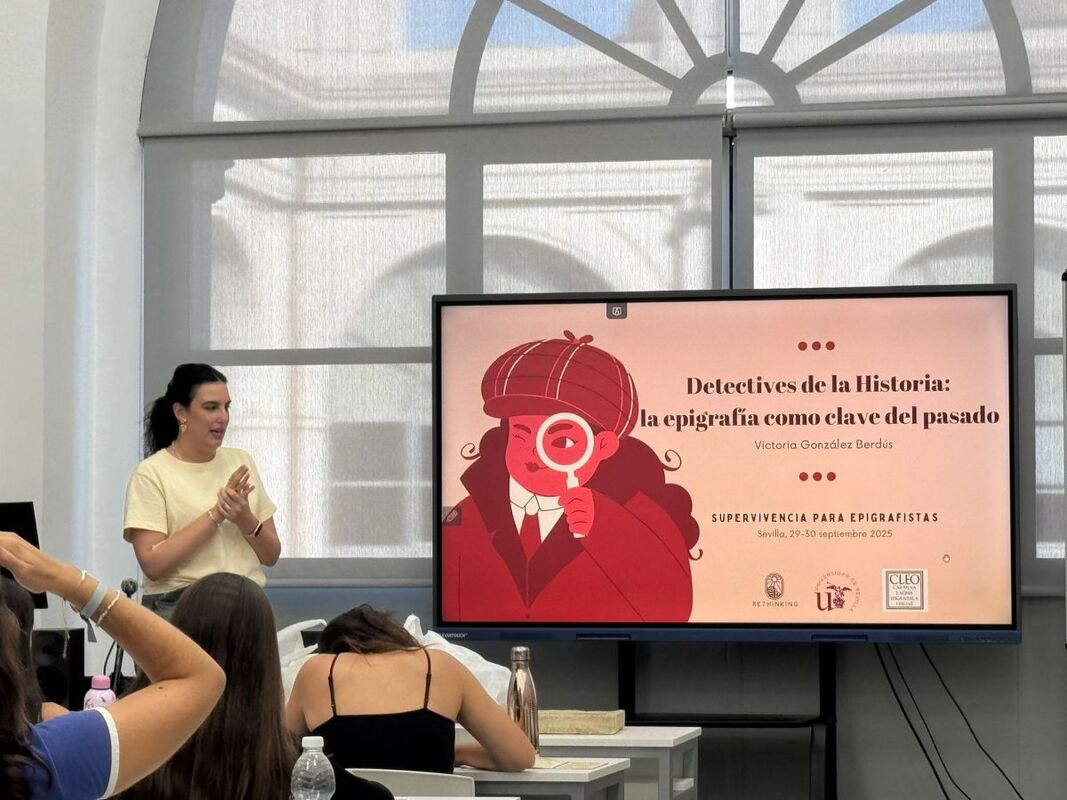
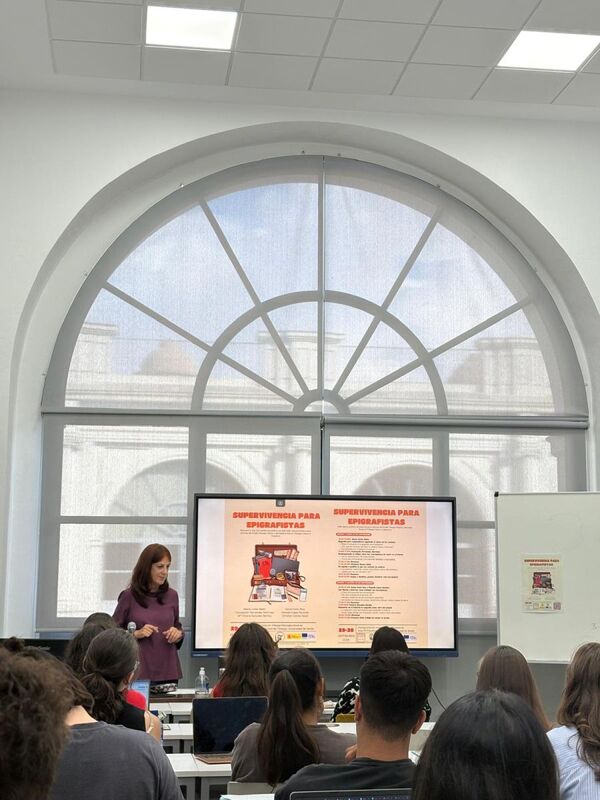
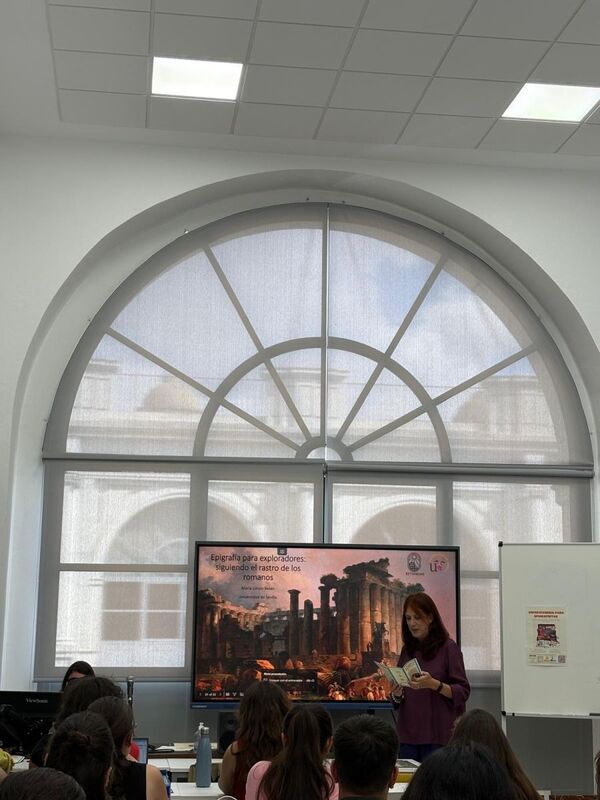
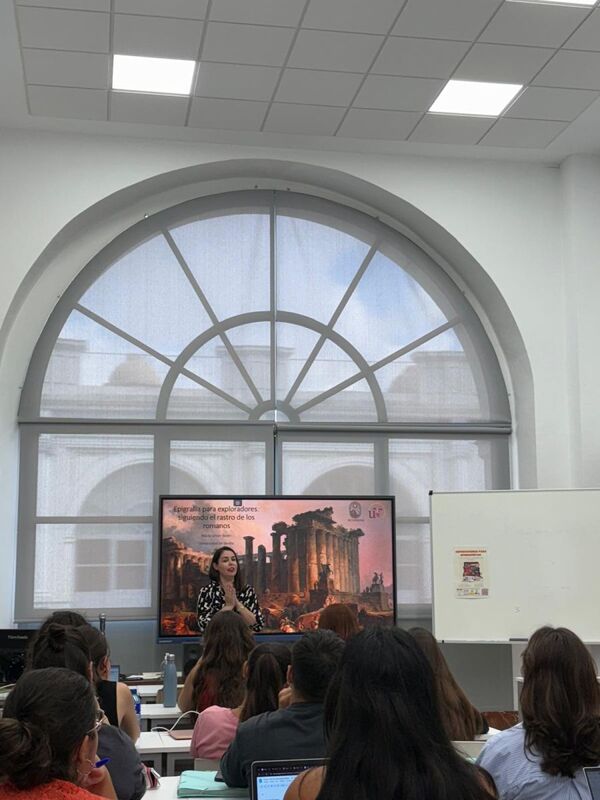
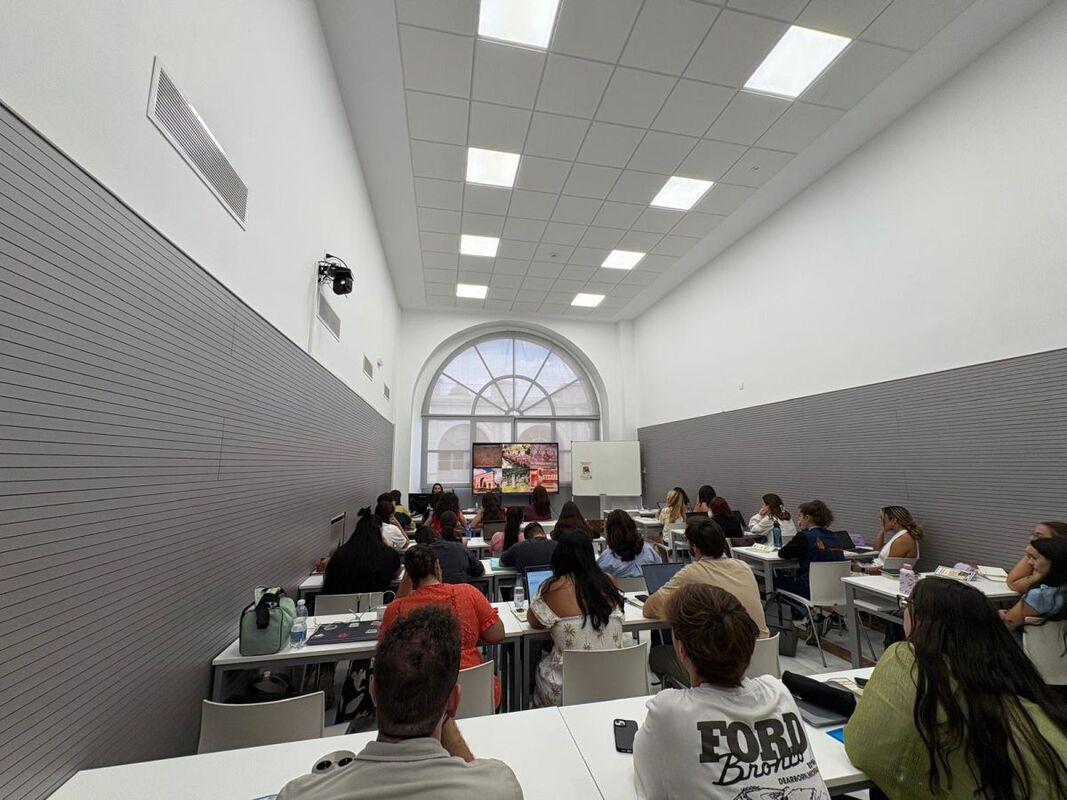
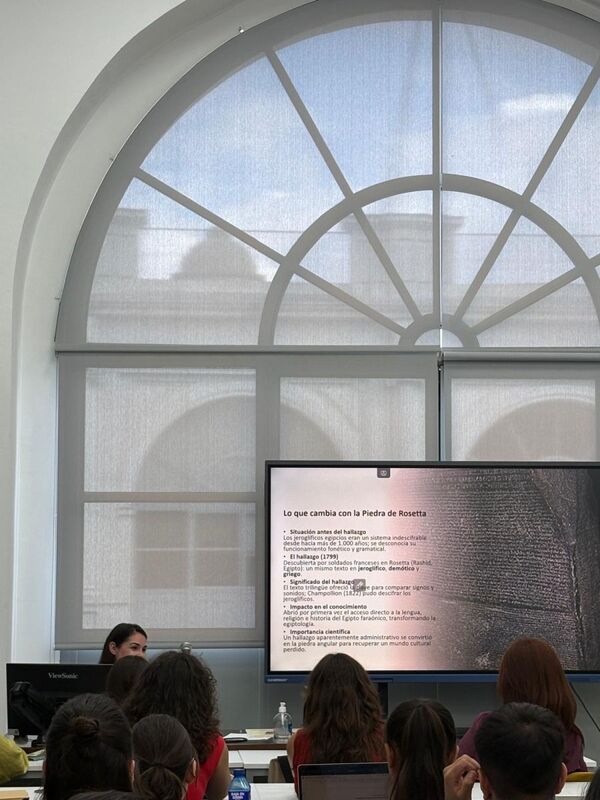
The course Survival Manual for Epigraphers took place on 29–30 September 2025 at the Faculty of Philology, University of Seville. The activity was organised within the framework of the project RETHINKING. Rethinking Roman Antiquity: Inclusive Approaches and Innovative Treatments of Latin Epigraphic Poetry (PID2022-141426NB-I00) and directed by Dr María Limón Belén.
Training Development
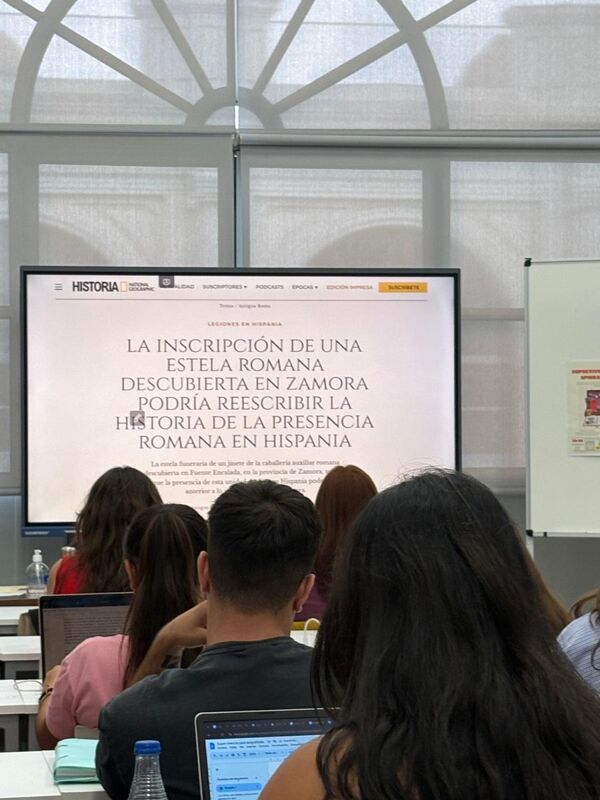
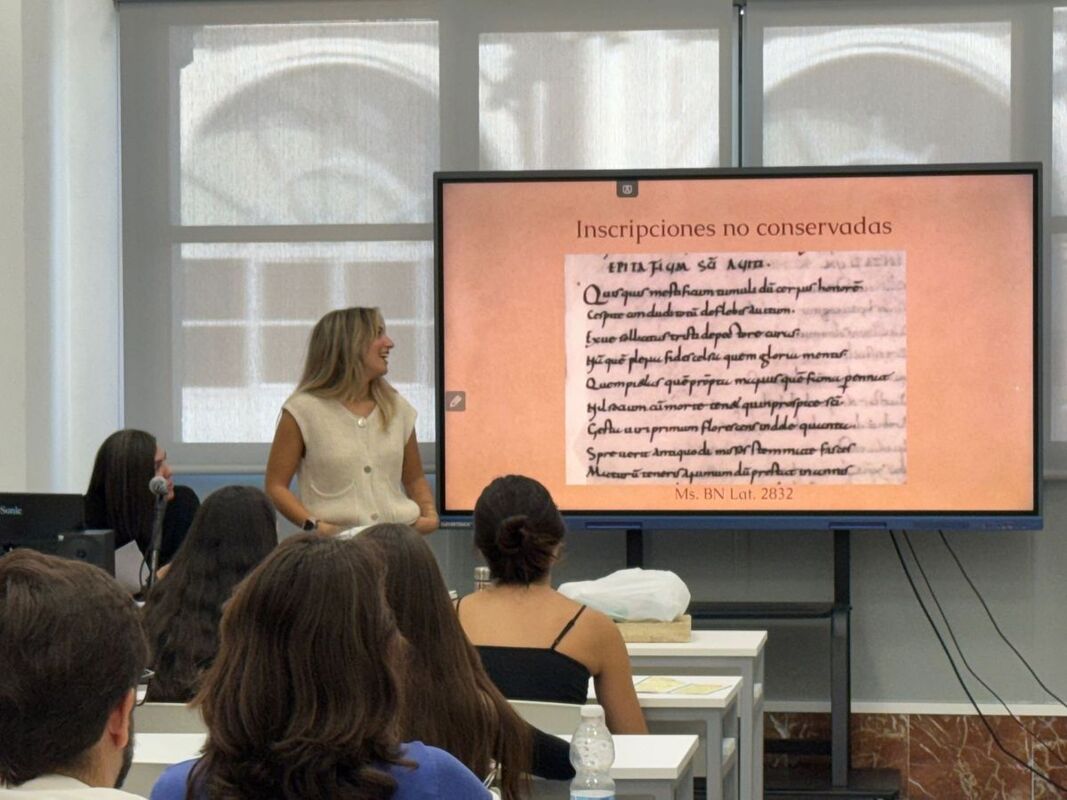
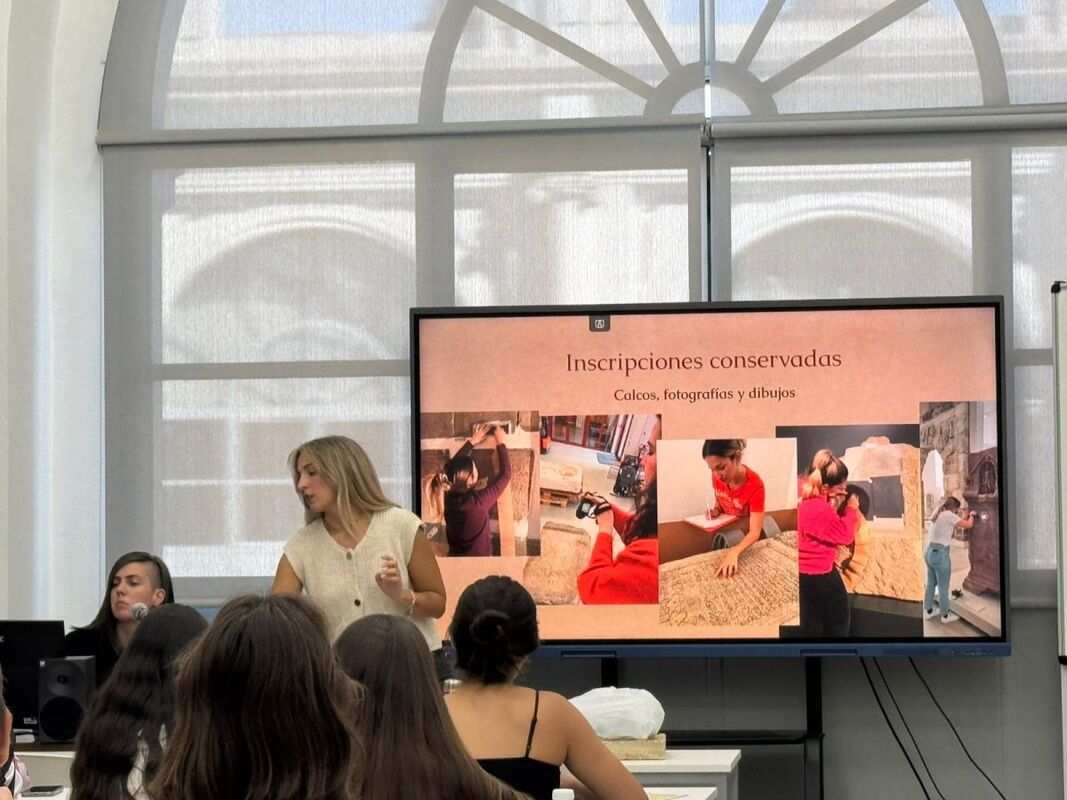
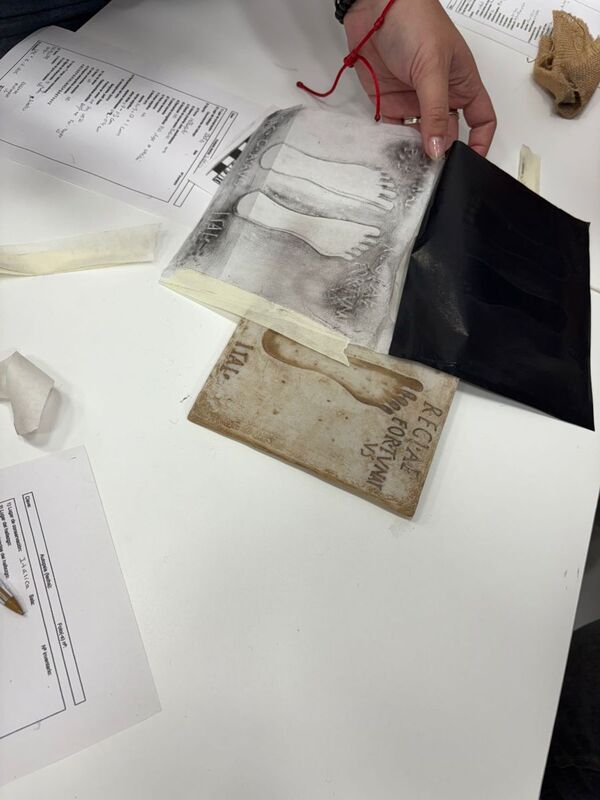
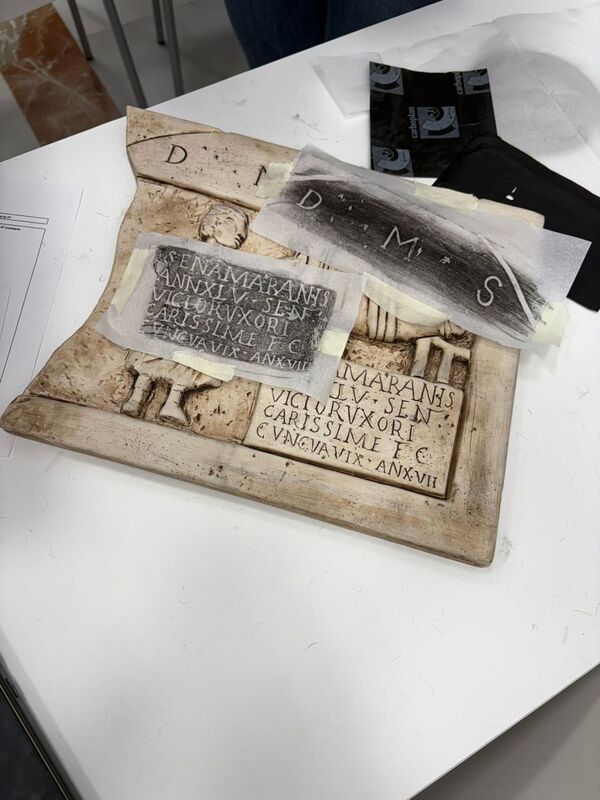
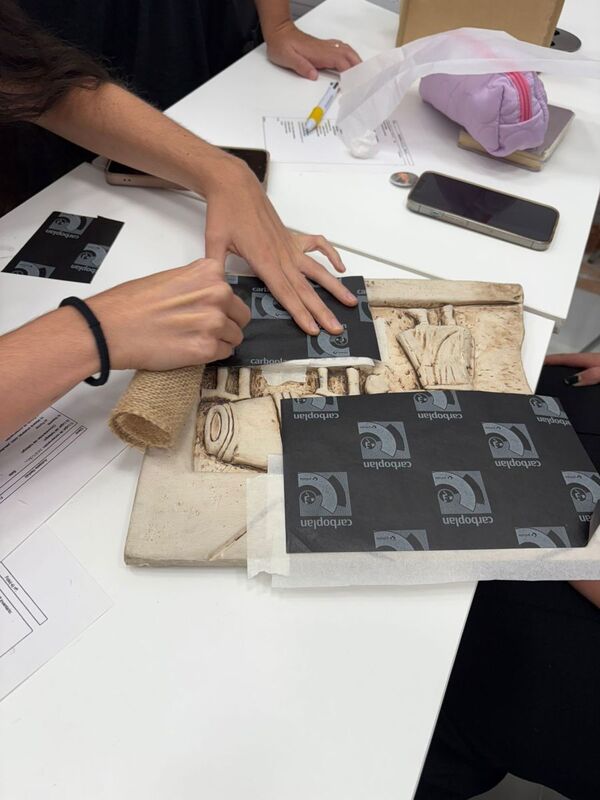
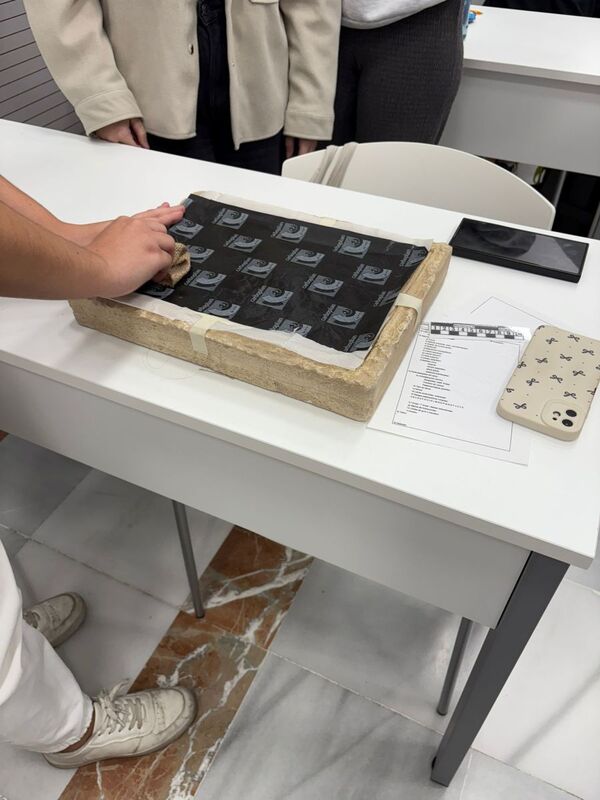
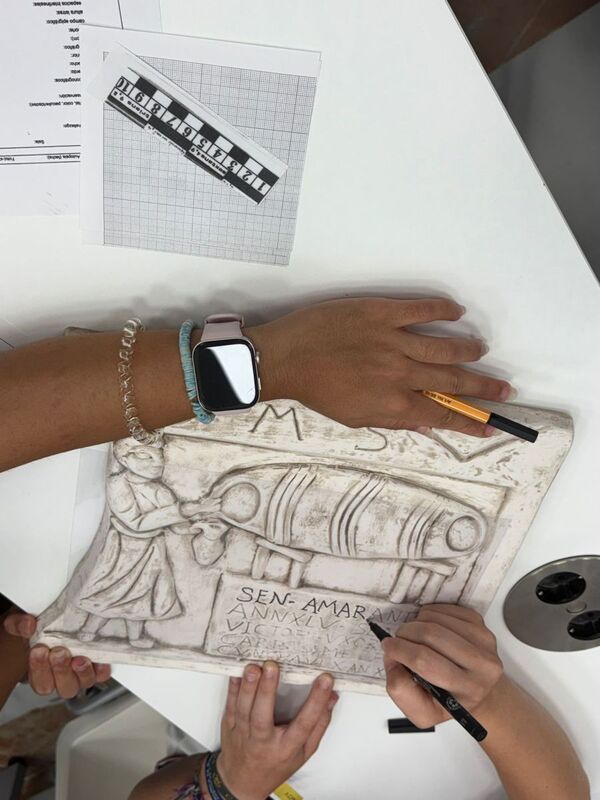
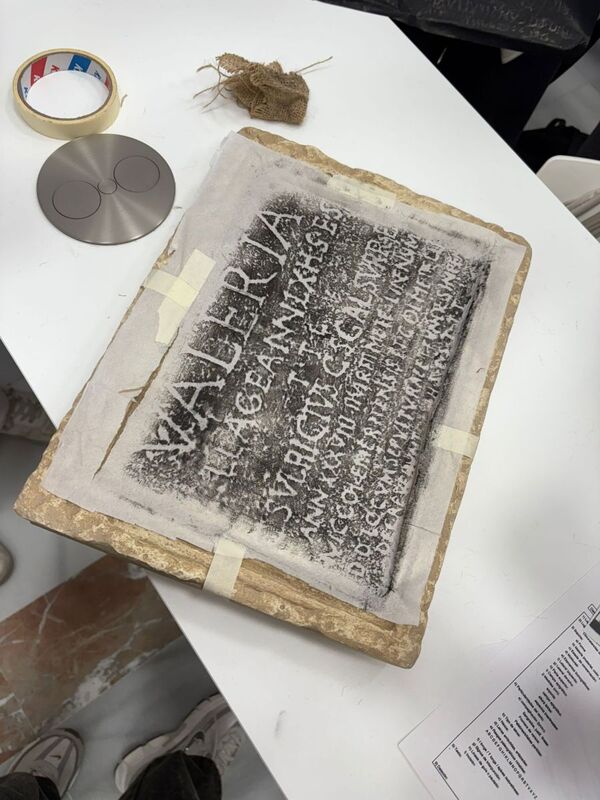
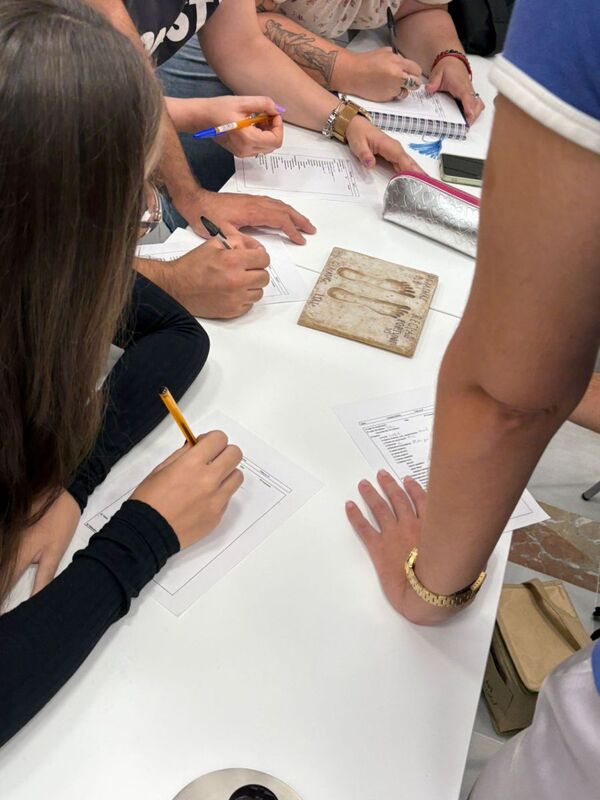
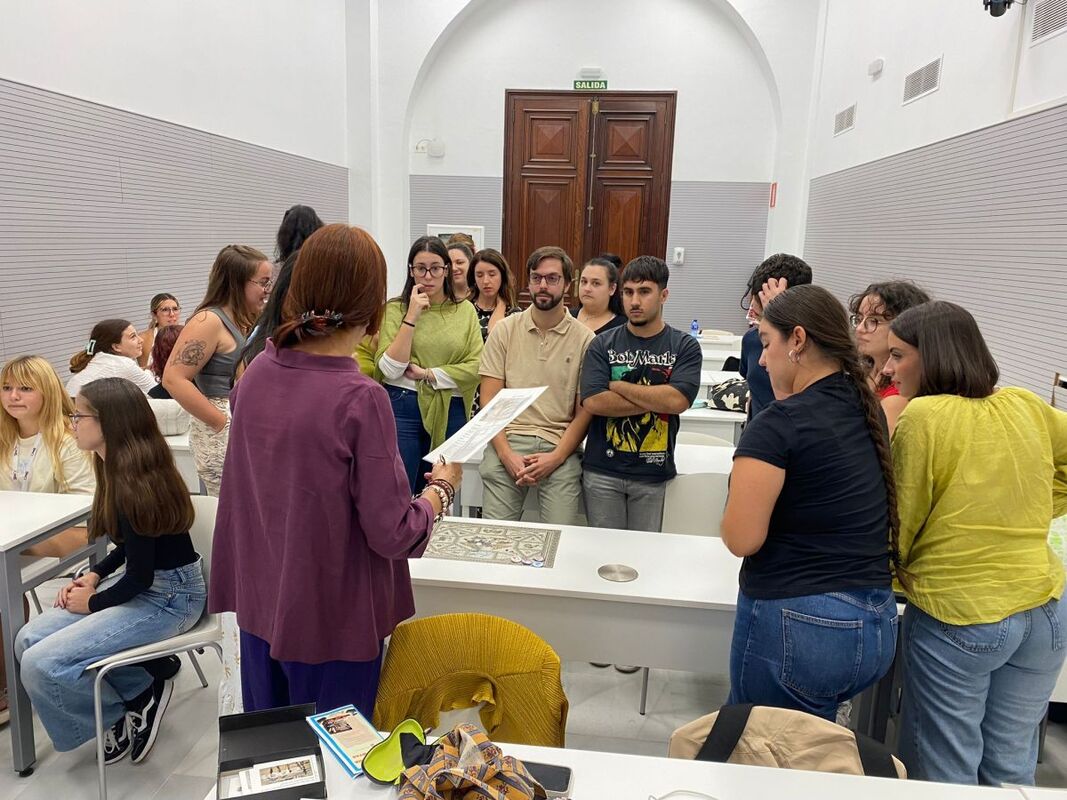
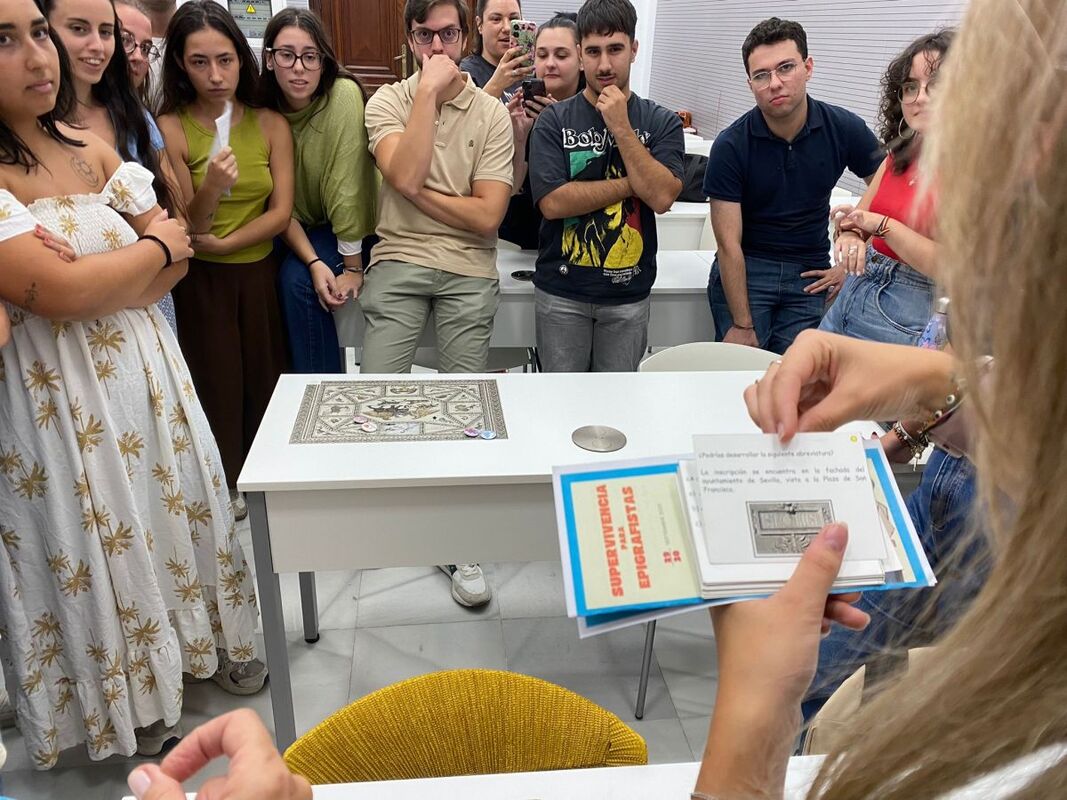
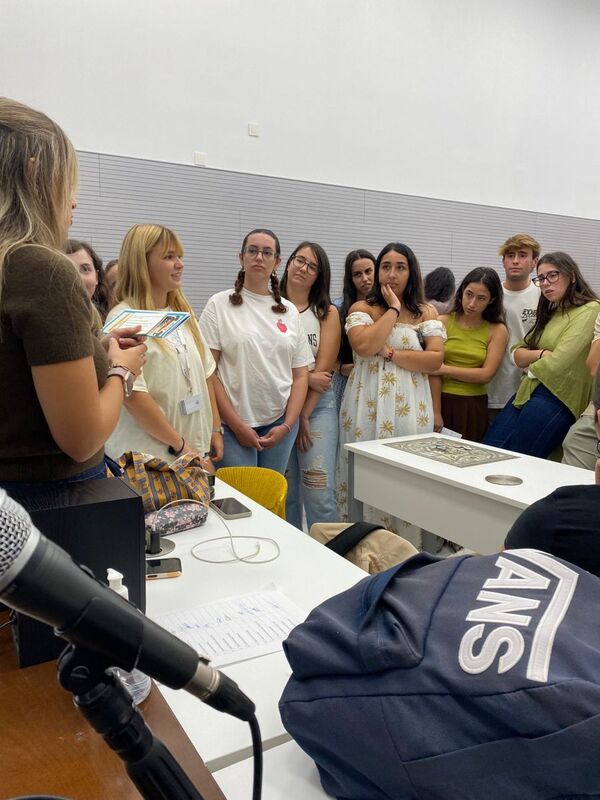
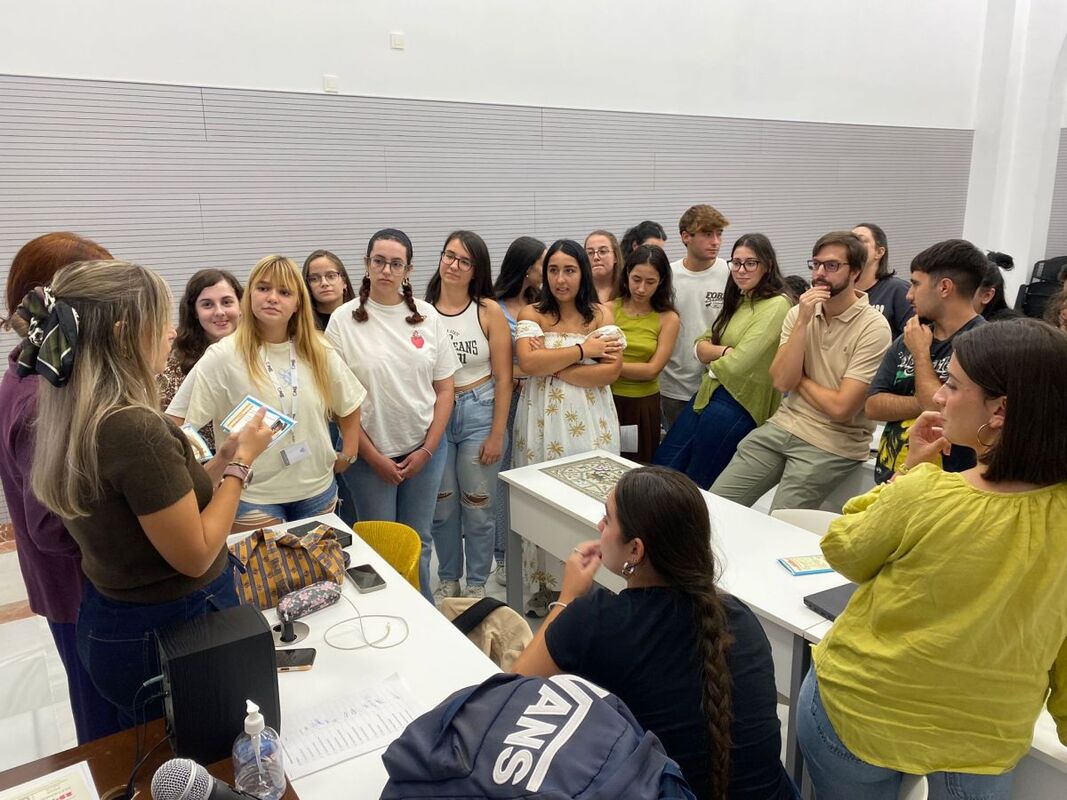
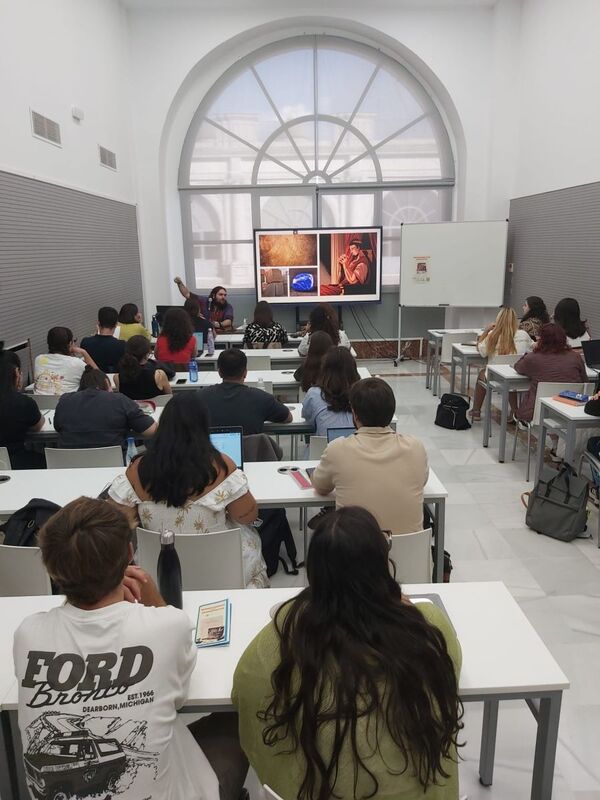
The final programme was structured in two intensive sessions, combining lectures and hands-on workshops delivered by specialists in Latin epigraphy and related fields. The contents introduced participants to the foundations of epigraphy while providing practical training in the reading, documentation, and analysis of inscriptions. Sessions ranged from general introductions—what epigraphy is and why it matters—to technical workshops on documentation methods
(from traditional tracing to 3D scanning) and simulated fieldwork exercises.
A key feature of the course was its accessible design. For the first time in Seville, a practical training activity in epigraphy was organised at a basic, non-specialist level. This approach opened participation not only to Classical Philology students but also to those from History, Archaeology and Art History, thus broadening the scope and impact of the course. In total, around 40 participants registered, exceeding our initial expectations and showing the growing interest in this type of
training.
Use of AIEGL funding
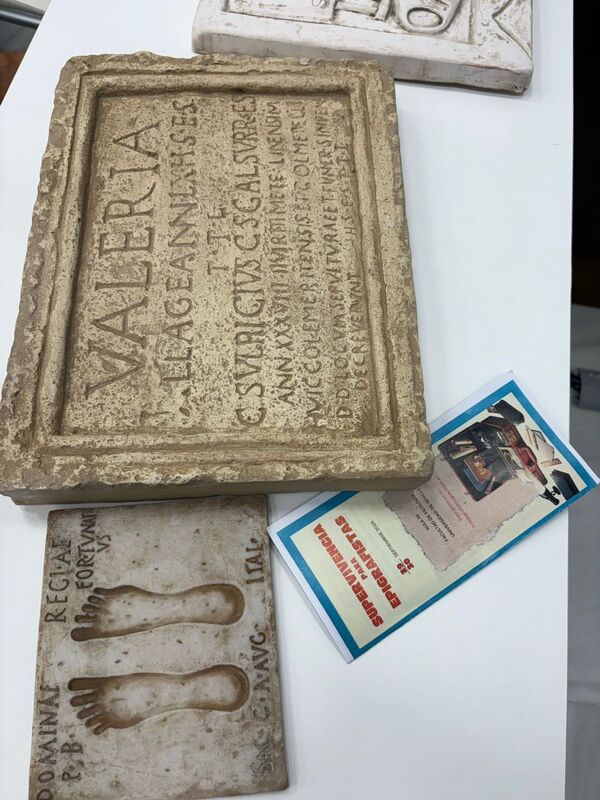
The grant awarded by AIEGL was entirely devoted to the purchase of didactic and practical materials (tracing kits, graphic resources, documentation simulation tools), as well as to publicity and dissemination costs. This financial support was essential to carry out the practical activities, which are usually not possible due to lack of funding, and it significantly enriched the participants’ experience.
Outcomes and evaluation
The feedback from participants was extremely positive. Many expressed their gratitude at the end of the course, highlighting the innovative character of the initiative and the usefulness of the skills acquired. The opportunity to engage directly with inscriptions, through an approachable and dynamic methodology, was seen as both novel and motivating.
From the organisers’ perspective, the course fully met the goals that had been set: addressing a curricular gap in the teaching of epigraphy, stimulating interest in the discipline among students from different backgrounds, and equipping them with basic tools for understanding and analysing inscriptions.
Conclusion
The support of AIEGL was crucial for the success of this initiative. Without the grant, it would not have been possible to provide the practical dimension that defined the course and gave it such added value. We are deeply grateful for this funding, which enabled the training of almost forty students and helped consolidate an innovative and transferable teaching model that can be reused in future editions.
Seville,
Dr María Limón Belén